50+ Dramatic Years
Our Theatre’s History
In 1967, John and Patricia Hancock had moved to the Isle of Wight from Birmingham, where they were active members of a Little Theatre – an amateur group that owned its own premises. When a Victorian Methodist church came up for sale in Pyle Street, Newport, two months before the Moon landing, John quickly saw the potential to create a Little Theatre on the Island.
Thanks to his drive and energy and commitment, the money was raised to buy the church in May 1970. But it was a close run thing: the Apollo won with an offer just £65 more than its rival. A small army of volunteers – some of whom are still with the Apollo, forty years on – worked all hours to convert the building, and the Apollo Theatre opened its doors in April 1972 with a trial run of plays, music and an art exhibition.
And the rest, as they say, is history …
His Majesty the King on his 77th birthday grants The Apollo Theatre Players the ‘King’s Award for Voluntary Services’. This is the highest award that can be given to Voluntary Organisations, it is the MBE for Volunteer Groups and is part of the UK honours system, it is something the
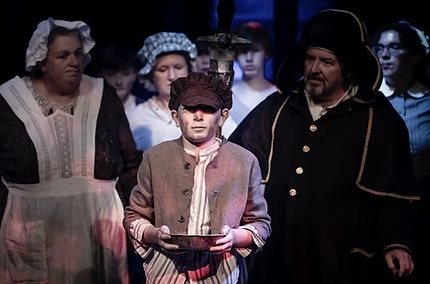
A celebration of 50 Dramatic years of the Apollo. The anniversary season was opened with a sellout production of Lionel Bart’s Oliver!
The Covid-19 Pandemic saw the closure of the theatre and cancellation of performances. Some productions were filmed and shown online.
A very special moment in the history of the Apollo Theatre takes place at a Gala Night when Julia Holofcener very generously donates a bas-relief sculpture by her late husband, Lawrence, entitled Faces of Olivier.
Premises are found to support the theatre’s ever-expanding need for space – a unit on the Dodnor industrial estate is purchased in December and the stalwart team start work on converting it to make the best use of the space for storage, set construction and rehearsal so that we can
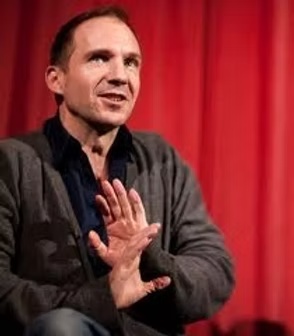
The Apollo hosts an evening with Ralph Fiennes, as part of the Minghella Film Festival. The 40th season begins.
A new window in the dressing room is installed along with air-conditioning and new paving for the forecourt, dedicated to Pat Hancock
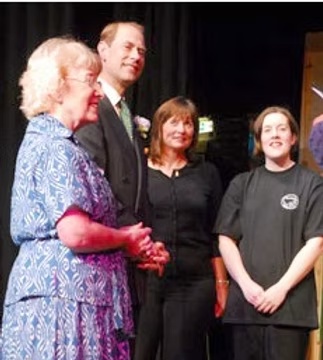
Edward, Earl of Wessex, makes a Royal visit to the Island and visits the Apollo.
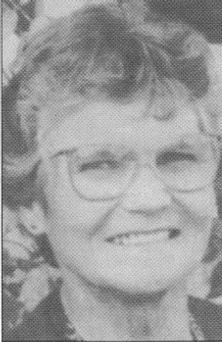
Pat Hancock dies
Building improvements include reinforcing the roof and installing a staircase up to the new costume storage area in the attic
The new concept of Honorary Members is introduced
The mortgage on Hancock House is paid off
A legacy of £35,000 enables the creation of the Mick Parkin scenery store
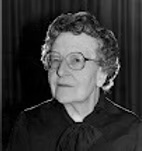
Barbara Turner is awarded the MBE in the New Year’s Honours List for services to amateur theatre. Barbara was one of the founder members of the Apollo and directed 28 plays for the theatre, her last at the age of 90 in 1999. That production, The Business of Murder, won
The new bar and coffee lounge is opened by Kenneth Kendall, the then BBC newsreader
The practice of having play readings in advance of auditions begins; the Apollo Players portrayed characters from history as they joined Marconi’s daughter Princess Elettra Marconi to re-enact the first royal wireless transmission, from Osborne House
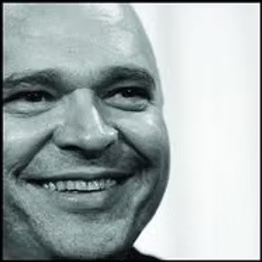
Anthony Minghella becomes a Patron of the Apollo after seeing his play Two Planks and a Passion performed at the theatre
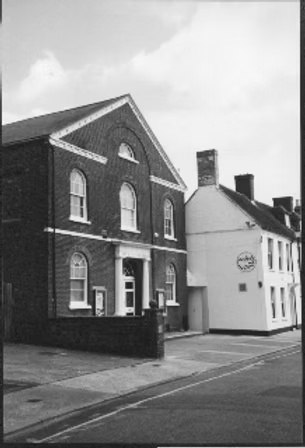
The Apollo buys the building next door, 124 Pyle Street, for half the asking price because of the recession, providing a new home for props, costumes and furniture previously stored at Palmer’s Brook Farm, and creating a new rehearsal room
Tributes are paid to John Hancock, who dies in January. The then Director, Anne Smith, said ‘There can be no doubt that if it had not been for his zest and enthusiasm, the theatre would not be here today.’
ACT divides into juniors and over-12s
The first drama workshop for children is held, soon to become the Apollo Children’s Theatre (ACT); the Methodist church lifts the covenant to allow the theatre a drinks licence, and the Apollo’s first bar manager is appointed
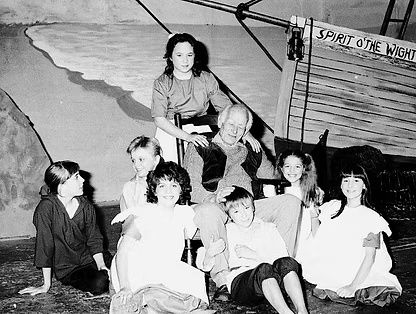
John Hancock’s final appearance on stage, in Spirit o’ the Wight, a play with music, written by Apollo member Betty Pryde
The Dramathon is staged over the weekend, starting at 9am on Saturday and finishing at 10pm the following night; it includes performances of theatre and an all-night jazz session
The Apollo hosts its first production by another theatre group, as the South London Theatre Centre performs a musical revue, Starting Here, Starting Now
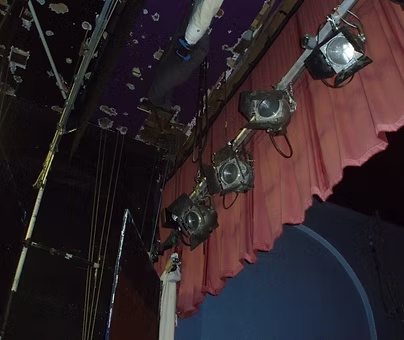
An appeal is launched to raise £2,000 to fund new lighting
John Hancock retires as Director of the Apollo Players
The Apollo goes on tour to Shanklin Theatre, with a performance of Separate Tables, by Terence Rattigan; the tours were repeated several times, including 1984, when the Apollo took Rattle of a Simple Man to the home of the South London Theatre Centre
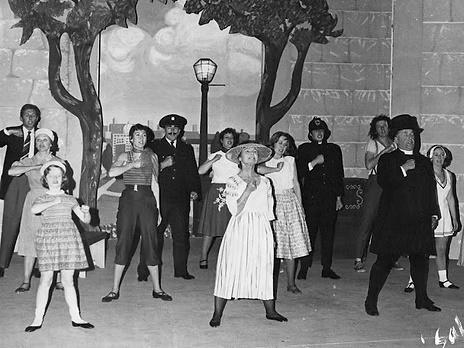
The Apollo stages its first musical, Salad Days
Two Apollo founder members, Hilary Sloper and Roger Simpson, get married. Both are still actively involved (with all their children) and now Life Members
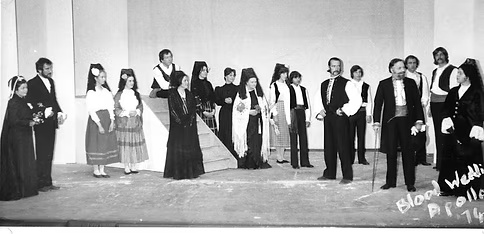
The Apollo becomes the 33rd member of the Little Theatre Guild of Great Britain. Lorca’s Blood Wedding is performed.
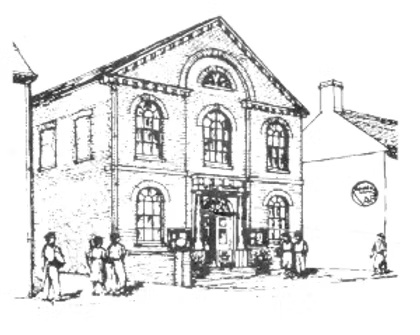
The Apollo receives formal notice that the outside of the theatre is Grade 2* listed as being of special architectural or historic interest, and cannot be altered
On the 9th September 1972, it was official opening of the theatre, and the launch of a seven-performance run of Hotel Paradiso, billed as ‘a rollicking French farce with a large cast’
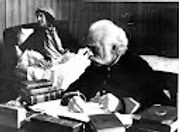
Another extract … ‘a month of digging ditches and laying sewers … dirt piles to the top of the forecourt railings … barked knuckles and aching backs …’
Another extract … ‘a month of digging ditches and laying sewers … dirt piles to the top of the forecourt railings … barked knuckles and aching backs …’
Extract from an Apollo volunteer’s diary … ‘lay auditorium floors: it is becoming more difficult to find any two boards that match each other in thickness or width. The ‘girls’ start to wash seat frames … using a baby’s tin bath found in the vestry! How did that get there?’
The Apollo stage is built and work continues. Tip-up seats are acquired from Shanklin Pier Theatre for 10/- (50p) each; the team of volunteers works through the national power strike with the help of car headlamps powered by batteries The Apollo stage is built and work continues. Tip-up seats are
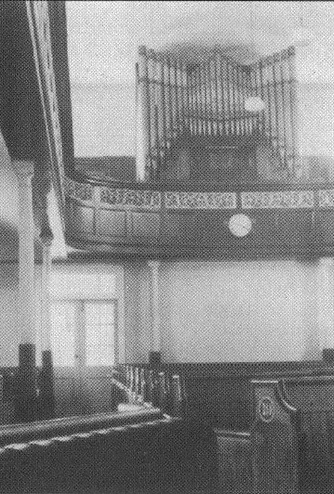
Work starts to gut most of the inside of the building; the church organ is sold for £150 to be installed in a cathedral in Uganda; pews are sold as garden seats; every floorboard is denailed
The Apollo wins the bid to buy the church, with an offer just £65 more than the rival bid, from the Bethany Chapel
Closure of the church, as congregation merges with Quay Street Methodist Church
The Isle of Wight County Press advertises sale of Victorian Methodist church at Pyle Street
Isle of Wight Society welcomes new theatre proposal for the church
John and Patricia Hancock move to the Isle of Wight from Birmingham